This page contains affiliate links. We earn a small commission if you buy through our links, at no extra cost to you.
Navigating the competitive Indian placement landscape requires more than just good grades. This guide equips engineering and college students with strategies for ATS-friendly resumes, effective application tracking, and leveraging AI tools for success.
Cracking Placements 2026: Your Smart Guide to Success
Welcome, future leaders and innovators! As the Head Editor & Senior Tech/Deals Columnist for Smart Picks India, I know the placement season can feel like a daunting Everest to scale. But with the right strategy, tools, and a dash of Smart Picks wisdom, you'll be well-equipped to conquer it.
In India's fiercely competitive job market, especially for engineering and college graduates, merely being 'good' isn't enough. You need to be 'smart', 'strategic', and 'seen'. This comprehensive guide is designed to empower you with actionable advice, from building an Applicant Tracking System (ATS)-friendly resume to mastering interviews and utilizing cutting-edge AI tools.
Table of Contents
- The Evolving Placement Landscape in India
- Building an ATS-Friendly Resume: Your Digital Handshake
- Crafting a Killer Cover Letter & Portfolio
- Mastering Aptitude Tests & Technical Rounds
- Acing the Group Discussion (GD) & HR Interview
- Leveraging AI for Smart Study & Preparation
- Tracking Your Applications Like a Pro
- Networking: Your Secret Weapon
- Maintaining Well-being During Placement Season
- Conclusion: Your Future Awaits
The Evolving Placement Landscape in India
Gone are the days when a stellar academic record alone guaranteed a job. Today's recruiters are looking for a blend of technical prowess, soft skills, practical experience (internships!), and a keen understanding of industry trends. The rise of digital applications means your resume first faces an algorithm, not a human. Understanding this shift is your first step to success.
Building an ATS-Friendly Resume: Your Digital Handshake
An Applicant Tracking System (ATS) is software that scans, parses, and ranks resumes based on keywords and formatting. If your resume isn't ATS-friendly, it might never reach a human recruiter's eyes.
Key Elements for an ATS-Friendly Resume:
- Keywords are King: Tailor your resume with keywords directly from the job description. If the job mentions 'Python', 'Machine Learning', or 'Cloud Computing', ensure these terms are present (and genuinely reflect your skills!).
- Clean, Simple Formatting: Avoid fancy graphics, complex tables, or unusual fonts. Stick to standard fonts (Arial, Calibri, Times New Roman) and a clear, chronological layout. Use bullet points for achievements.
- Standard Headings: Use conventional headings like 'Work Experience', 'Education', 'Skills', 'Projects'.
- PDF Format: Always save and submit your resume as a PDF unless explicitly asked for a Word document. This preserves formatting.
Pros & Cons of ATS
- Pros:
- Efficiently filters out unqualified candidates.
- Helps recruiters manage large volumes of applications.
- Ensures fair initial screening based on objective criteria.
- Cons:
- Can miss qualified candidates if keywords or formatting aren't perfect.
- Lacks human nuance in evaluating unique experiences.
- Requires candidates to 'game' the system to some extent.
Expert Tip:
Use online resume builders like Resume.io, Enhancv, or even free templates from Google Docs/Canva that are known to be ATS-compliant. Run your resume through free ATS checkers available online to get a score before applying.
Crafting a Killer Cover Letter & Portfolio
While your resume gets you past the ATS, your cover letter is where your personality shines, and your portfolio proves your capabilities.
- Cover Letter: Always customize it for each application. Address it to the hiring manager if possible. Highlight 2-3 key skills or experiences directly relevant to the role and explain why you're a perfect fit for their company, not just any company. Storytelling is powerful here.
- Portfolio: For technical roles (design, development, content), a strong online portfolio (GitHub, Behance, personal website) showcasing your projects is invaluable. Include code samples, project descriptions, and results achieved.
Mastering Aptitude Tests & Technical Rounds
These are often the make-or-break stages.
- Aptitude Tests: Companies like TCS, Infosys, Wipro, and even startups use these to gauge your quantitative ability, logical reasoning, and verbal skills. Practice regularly from platforms like IndiaBix, GeeksforGeeks, and various online mock test series.
- Technical Rounds: Be prepared for questions on data structures, algorithms, operating systems, databases, and your chosen programming language. For non-CSE branches, expect questions related to your core engineering discipline. Practice coding on platforms like LeetCode, HackerRank, and CodeChef.
Expert Tip:
Form study groups with peers. Explaining concepts to others solidifies your own understanding. Participate in coding contests to improve problem-solving speed.
Acing the Group Discussion (GD) & HR Interview
These rounds assess your soft skills, communication, and cultural fit.
- Group Discussion (GD): Listen actively, articulate your points clearly and concisely, maintain eye contact, and be a team player. Don't interrupt, but ensure your voice is heard. Practice with friends on current affairs, business cases, and abstract topics.
- HR Interview: This is about 'you'. Be ready for questions like: "Tell me about yourself," "Why this company?" "Where do you see yourself in 5 years?" "What are your strengths and weaknesses?" Research the company's values, mission, and recent news. Be authentic, confident, and enthusiastic.
Leveraging AI for Smart Study & Preparation
AI isn't just for sci-fi anymore; it's a powerful tool for your placement journey.
- AI for Resume Optimization: Tools like Jobscan.co use AI to compare your resume against a job description, highlighting missing keywords and suggesting improvements.
- AI for Interview Practice: Platforms like InterviewBuddy or Pramp use AI to simulate interview environments, provide real-time feedback on your answers, body language, and tone.
- Personalized Learning: AI-powered learning platforms (e.g., Coursera, Khan Academy with AI tutors) can adapt to your learning style, suggesting resources and practice problems tailored to your weaknesses.
- Content Generation: Use AI tools (like ChatGPT) to draft cover letter outlines, brainstorm answers to common HR questions, or summarize complex technical concepts quickly. Remember to always personalize and verify the output!
Pros & Cons of AI Study Tools
- Pros:
- Personalized feedback and learning paths.
- 24/7 availability for practice.
- Efficiently identifies knowledge gaps.
- Can reduce anxiety through simulated environments.
- Cons:
- May lack human nuance in feedback.
- Can be costly for advanced features.
- Over-reliance can hinder critical thinking if not used wisely.
Smart Picks Recommendation:
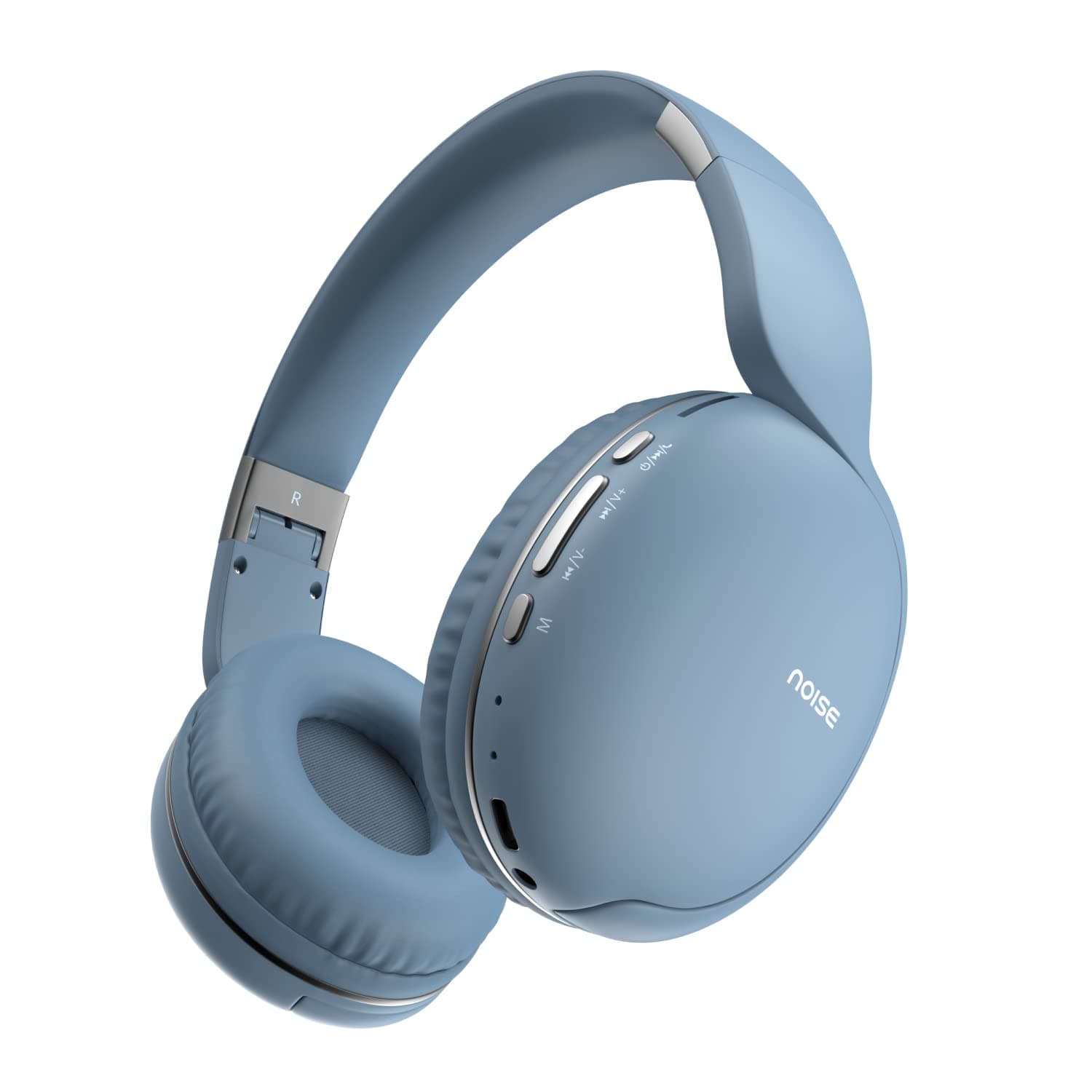
For focused study sessions or mock interviews, a good pair of headphones is crucial. Check out the Noise Two Wireless On-Ear Headphones or the Boat Rockerz Plus 550 for excellent battery life and immersive sound, perfect for blocking out distractions. If you prefer earbuds for portability, the Boat Airdopes Plus 311 offers great value and sound quality.
Tracking Your Applications Like a Pro
Applying to multiple companies can quickly become overwhelming. A systematic approach is key.
- Spreadsheet Power: Create a detailed spreadsheet with columns for: Company Name, Role, Date Applied, Application Link, Status (Applied, Interviewed, Rejected, Offer), Follow-up Date, Notes (e.g., interview questions asked, key contacts).
- Dedicated Apps: Consider job tracking apps like Huntr.co or Monday.com (can be adapted for job tracking) for more robust features and reminders.
- Follow-ups: Don't be afraid to send polite follow-up emails after an interview or if you haven't heard back within the specified timeframe. This shows initiative.
Expert Tip:
Treat your job search like a project. Set daily/weekly goals for applications, skill development, and networking.
Networking: Your Secret Weapon
Many jobs are found through connections, not just online applications.
- LinkedIn: Optimize your profile, connect with recruiters, alumni, and professionals in your target companies. Engage with relevant content and share your achievements.
- Alumni Network: Reach out to your college alumni working in your desired companies or industries. They can offer invaluable insights, mentorship, and even referrals.
- Industry Events & Webinars: Attend virtual or in-person career fairs, workshops, and webinars. These are excellent opportunities to learn about companies and meet potential employers.
Maintaining Well-being During Placement Season
The pressure can be immense. Prioritizing your mental and physical health is non-negotiable.
- Take Breaks: Step away from your screen. Go for a walk, listen to music, or engage in a hobby. Burnout is real.
- Sleep Well & Eat Healthy: These fundamentals directly impact your concentration and mood.
- Connect with Support Systems: Talk to friends, family, or mentors about your anxieties. You're not alone.
- Celebrate Small Wins: Acknowledge every interview call, every positive interaction. Stay positive and resilient.
Conclusion: Your Future Awaits
The placement journey is a marathon, not a sprint. It will test your patience, resilience, and skills. But by strategically preparing your resume, leveraging modern tools like AI, meticulously tracking your progress, and nurturing your network, you'll significantly boost your chances of landing your dream job.
Remember, every rejection is a redirection. Learn from it, adapt, and keep moving forward. Smart Picks India is here to guide you with the best advice and deals for your tech and career needs. Go forth and conquer!