This page contains affiliate links. We earn a small commission if you buy through our links, at no extra cost to you.
Navigating the competitive Indian placement landscape can be daunting, but with the right strategy, success is within reach. This comprehensive guide covers everything from crafting an ATS-friendly resume to leveraging cutting-edge AI tools for your preparation.
The Ultimate Placement Guide: Ace Your Dream Job, Indian Student Edition
Welcome, future leaders and innovators! The journey from college to your dream job is exhilarating yet challenging, especially in India's highly competitive job market. As your Head Editor & Senior Tech/Deals Columnist at Smart Picks India, I'm here to equip you with the ultimate playbook to navigate campus placements, build an ATS-friendly resume, track your applications like a pro, and leverage the power of AI to stand out.
Let's dive in and unlock your career potential!
Table of Contents
- The Placement Puzzle: Understanding the Indian Scenario
- Crafting an ATS-Friendly Resume: Your First Impression
- Beyond the Resume: The Interview & Group Discussion Edge
- Mastering Application Tracking & Follow-ups
- Leveraging AI Study Tools: Your Secret Weapon
- The Power of Networking & Internships
- FAQs
The Placement Puzzle: Understanding the Indian Scenario
The Indian placement landscape is unique. It's a blend of academic prowess (CGPA), technical skills, soft skills, and increasingly, the ability to adapt. Here's what you need to know:
- CGPA Matters (Initially): Many companies, especially during campus placements, set a minimum CGPA cutoff (often 6.5 or 7.0). While it's not the only factor, a strong academic record opens doors.
- Skill Over Degree: Beyond your degree, specific skills (coding languages, data analysis, design tools, communication) are what recruiters truly seek.
- Mass Recruiters vs. Dream Companies: Be prepared for both. While dream companies offer niche roles, mass recruiters provide excellent starting points and foundational experience.
- Aptitude & Technical Rounds: These are universal. Sharpen your quantitative, logical, verbal aptitude, and technical fundamentals.
Crafting an ATS-Friendly Resume: Your First Impression
Your resume is often the first, and sometimes only, chance to make an impression. In India, many companies use Applicant Tracking Systems (ATS) to filter resumes before human eyes see them. Make yours ATS-friendly!
Key Components of an ATS-Friendly Resume
- Clean & Simple Format: Avoid fancy graphics, complex tables, or unusual fonts. Stick to standard, easy-to-read layouts.
- Keywords are King: Scan job descriptions for keywords and incorporate them naturally into your resume. Use both full forms and acronyms (e.g., Artificial Intelligence/AI).
- Contact Information: Clear, concise, and professional. Include your name, phone, email, LinkedIn profile URL, and GitHub/portfolio link (if applicable).
- Summary/Objective: A 2-3 line summary highlighting your key skills, experience, and career aspirations. Tailor it for each application.
- Education: University name, degree, major, graduation date, and CGPA/percentage. Include relevant coursework.
- Projects: Crucial for engineering students! Detail your role, technologies used, and quantifiable impact. Use STAR method (Situation, Task, Action, Result).
- Internships/Experience: Highlight responsibilities and achievements. Again, quantify results.
- Skills: Technical skills (programming languages, software, tools) and soft skills (communication, teamwork, problem-solving). Categorize them.
- Achievements/Certifications: Any awards, scholarships, competitive programming ranks, or relevant certifications.
Dos and Don'ts
- DO: Use standard headings (e.g., "Experience," "Education," "Skills").
- DO: Use action verbs (e.g., "Developed," "Implemented," "Analyzed").
- DO: Quantify your achievements (e.g., "Increased efficiency by 15%," "Managed a team of 4").
- DO: Keep it concise – ideally 1 page for freshers, maximum 2 for experienced candidates.
- DON'T: Use obscure fonts or excessive colors.
- DON'T: Include a photo unless specifically requested (rare in India for initial applications).
- DON'T: Lie or exaggerate. Authenticity is key.
Expert Tip: Quantify Everything!
Instead of "Worked on a project," say "Developed a full-stack e-commerce platform using MERN stack, resulting in a 20% improvement in user engagement." Numbers speak volumes!
Beyond the Resume: The Interview & Group Discussion Edge
Once your resume clears the ATS, the real challenge begins. This is where your personality, problem-solving abilities, and communication skills shine.
Technical Skills: The Foundation
- Data Structures & Algorithms (DSA): Non-negotiable for most tech roles. Practice regularly on platforms like LeetCode, HackerRank, GeeksforGeeks.
- Core Subjects: Be strong in your fundamentals – OS, DBMS, Networking, OOPs concepts, and subjects relevant to your specialization.
- Problem-Solving: Companies look for your approach to problems, not just the correct answer. Think out loud.
Soft Skills: Your Differentiator
- Communication: Articulate your thoughts clearly and confidently. Practice mock interviews.
- Teamwork & Leadership: Be ready with examples of when you demonstrated these qualities in projects or college activities.
- Adaptability & Learning Agility: Show your willingness to learn new technologies and adapt to challenges.
Group Discussion (GD) Strategies
GDs are common in Indian placements. They assess your communication, leadership, and analytical skills.
- Listen Actively: Understand others' points before presenting yours.
- Initiate (Wisely): Starting the discussion can be an advantage, but only if you have a strong point.
- Contribute Meaningfully: Quality over quantity. Make relevant points, provide examples.
- Be Assertive, Not Aggressive: Respect others' opinions while making your point heard.
- Summarize: Conclude the discussion effectively if the opportunity arises.
Mastering Application Tracking & Follow-ups
Applying to multiple companies can quickly become overwhelming. A systematic approach to tracking is essential.
Tools for Tracking Your Applications
- Google Sheets/Excel: Simple, customizable, and effective. Create columns for:
- Company Name
- Role Applied For
- Date Applied
- Application Link
- Status (Applied, Shortlisted, Interviewed, Rejected, Offer)
- Interview Rounds (Dates & Feedback)
- Contact Person (if any)
- Next Steps/Follow-up Date
- Notion/Trello: For those who prefer more visual or project-management-style tracking, these tools offer excellent templates for job applications.
Effective Follow-ups
- Post-Interview Thank You: Send a polite thank-you email within 24 hours of an interview.
- Status Inquiry: If you haven't heard back within the communicated timeframe, a polite follow-up email is acceptable. Keep it brief and professional.
- Accepting/Declining Offers: Always respond promptly and professionally, whether accepting or declining.
Leveraging AI Study Tools: Your Secret Weapon
AI isn't just for coding; it's a powerful ally in your placement prep. Embrace it!
AI for Learning & Revision
- Concept Explanation: Tools like ChatGPT, Google Bard, or Claude can explain complex topics (e.g., "Explain dynamic programming with an example in Python") in simple terms, debug code, or even generate practice problems.
- Pros: Instant answers, personalized explanations, code generation/debugging, brainstorming.
- Cons: Can sometimes provide incorrect information (hallucinations), over-reliance can hinder critical thinking.
- Summary & Flashcards: Use AI to summarize lengthy articles or generate flashcards from your notes for quick revision.
- Language Practice: Practice English communication with AI chatbots for grammar and fluency.
AI for Interview Prep
- Mock Interviews: Several online platforms use AI to conduct mock interviews, providing instant feedback on your answers, body language, and communication style.
- Resume/Cover Letter Feedback: Upload your resume to AI tools for suggestions on keywords, formatting, and overall impact.
- Behavioral Questions: Get AI to generate common behavioral questions and even draft potential answers based on your experiences (which you then personalize).
Smart Pick: Boost Your Focus with Quality Audio!
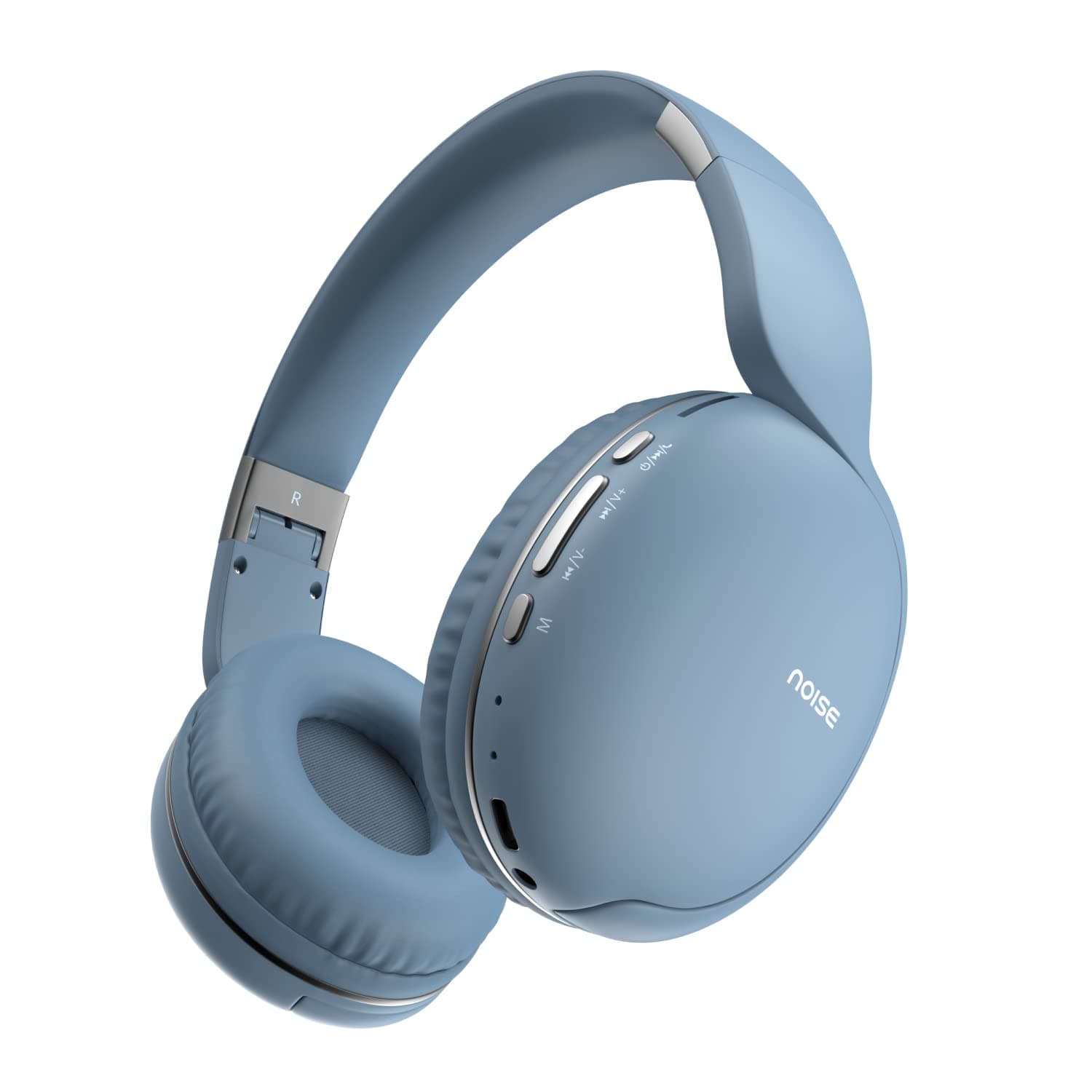
Whether you're deep-diving into DSA problems with an AI tutor or attending a virtual interview, clear audio is non-negotiable. Consider investing in quality headphones for an uninterrupted experience. The Noise Two Wireless On-Ear Headphones (50-hour playtime, low latency) or the Boat Rockerz Plus 550 (100H battery, immersive sound) are excellent choices for long study sessions and focused communication. For more portability, the Boat Airdopes Plus 311 offer great sound and up to 50 hours of music, perfect for on-the-go learning.
The Power of Networking & Internships
Don't underestimate these two pillars of career success.
- Networking: Connect with alumni, industry professionals, and recruiters on LinkedIn. Attend webinars, career fairs, and college events. A strong network can open doors to referrals and hidden opportunities.
- Internships: Practical experience is invaluable. Internships help you:
- Gain real-world skills.
- Understand corporate culture.
- Build your resume with relevant experience.
- Potentially secure a Pre-Placement Offer (PPO).
Conclusion
Mastering placement preparation is a marathon, not a sprint. It requires consistent effort, strategic planning, and leveraging all available resources. By focusing on an ATS-friendly resume, honing your interview skills, meticulous tracking, embracing AI tools, and actively networking, you're not just preparing for a job – you're building a foundation for a successful career. Good luck, and remember, Smart Picks India is always here to help you make the smartest choices!
FAQs
How important is CGPA for placements in India?
While skills and practical experience are paramount, a good CGPA (generally above 7.0/7.5 out of 10) often acts as the initial filter for many companies, especially during on-campus placements. Many top-tier companies have a strict CGPA cutoff. While it might not be the deciding factor in later interview rounds, it's crucial for getting your foot in the door. Aim for consistency and try to maintain a respectable academic record alongside skill development.
Can I use ChatGPT to write my entire resume?
While AI tools like ChatGPT can be incredibly helpful for generating content ideas, crafting compelling bullet points, or even drafting sections of your resume and cover letter, it's crucial to use them as assistants, not replacements. ATS systems can sometimes identify purely AI-generated text, and a human recruiter will quickly spot generic, unpersonalized phrases. Always review, personalize, and fact-check any AI-generated content to ensure it accurately reflects your experiences and is tailored to the specific job description. Your unique voice and genuine achievements are irreplaceable.